T
he kitchen interior isn’t just a room in which meals are cooked; it is the heart of the home. Such is the importance of a kitchen that, it often becomes a hub for families, nooks for culinary creativity, and daily chores, making a well-crafted kitchen interior quintessential. If you’re renovating a kitchen or starting anew, knowing the key design elements will enhance your kitchen’s beauty, utility and comfort. This guide will guide through crucial elements that will help you design a kitchen interior that suits you.
The Role of Layout in Kitchen Interior Design
How you lay out your kitchen is key to creating a kitchen interior that is both functional and enjoyable to be in. The layout of appliances, storage and counter top space will greatly change your cooking experience. Common kitchen layouts include:
The Work Triangle: In this layout, the stove, sink and refrigerator are placed in a triangular formation to promote a seamless work process.
Open Concept Kitchen — An open concept kitchen removes barriers between the kitchen and living areas, making it a great choice for social cooking and entertaining.
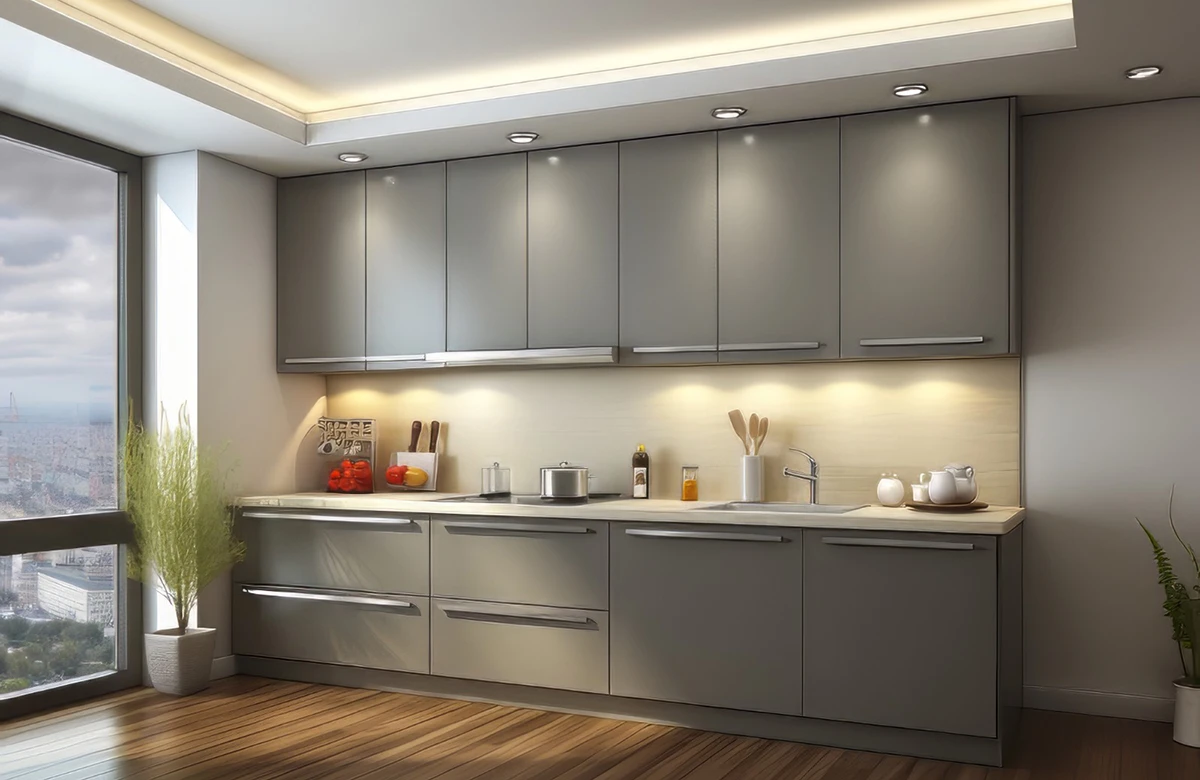
Galley Style Kitchen: One of the most space-efficient kitchen layouts, it utilizes floor-to-ceiling space and keeps everything within arm’s reach.
The layout you choose enables you to make swift transitions between cooking, cleaning and prepping — all movements that create smooth kitchen flow.
Kitchen Interior: Function Meets Style
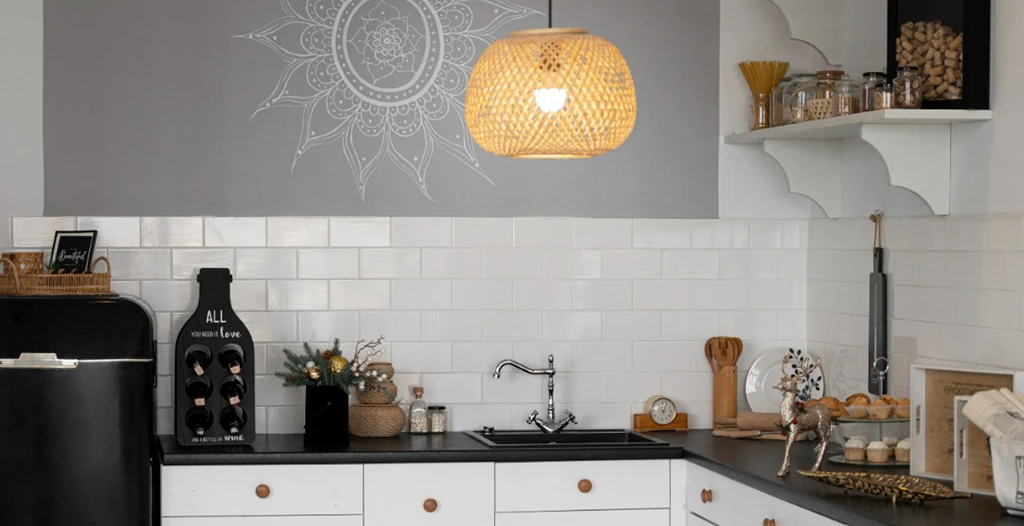
Designing the kitchen interior, style is as important as functionality. Thus, a good balance will create a space that is beautiful as well as efficient! Sleek countertops paired with modern appliances, for example, can help create a high-tech atmosphere that has warmth and is welcoming.
Durable Surfaces for a Long-Lasting Kitchen Interior
The materials you choose for your kitchen interior are key not only from a design point of view but also from a practical point of view. Select materials that are durable and easy to clean, from countertops to flooring. Popular choices include:
Granite & Quartz: These two materials are suitable for countertops, as they are durable and resistant to stains, scratches, and heat.
Hardwood Flooring: Classic and timeless, hardwood flooring brings warmth and elegance to your kitchen aesthetic.
Porcelain or Ceramic Tiles Backsplashes are good candidates for porcelain or ceramic tiles Since they’re often use in walls, they’re also easy to maintain too.
To choose materials, think about how easily they clean, how long they last and how well they match the rest of your kitchen interior design.
Kitchen Interior: Personalizing with Color and Texture
The color palette of your kitchen interiors is critical in establishing ambiance. Lighter colors, like whites and soft pastels, can give the space a more elevated and open feel, while darker shades like navy or charcoal promote a more 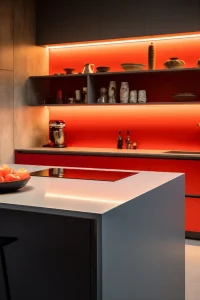 intimate vibe. Using a variety of textures, such as glossy tiles against matte cabinetry, brings depth and intrigue to your kitchen design.
Maximizing Storage in Your Kitchen Interior
Storage is one of the critical elements to consider in kitchen interior design. When the kitchen is in perfect order, they will find the things they need without the mess. Instead, think about built-in shelves, pull-out pantry units and under-cabinet storage to make the most of the space.
Cabinet organization: Pull-out drawers and deep cabinets can accommodate heavy pots and pans can create less clutter on the countertop.
Open Shelving: Open shelves are a trendy choice for modern kitchens, making things like spices and plates readily accessible while also adding a decorative element.
Kitchen Interior: Smart Storage Ideas for Small Spaces
For those working with limited space, there are several clever solutions for maximizing storage. Add floating shelves, mount racks on the insides of cabinet doors or plan for built-in seating with storage below. The aim is to ensure that every cubic centimeter of your kitchen interior matters while continuing to serve its purpose.
The Importance of Lighting in Kitchen Interior Design
Lighting is extremely important in any kitchen. Not only does it help you see what you’re doing while cooking, it also establishes the mood for the room. Having a variety of ambient, task, and accent lighting can help make your kitchen interior functional while looking inviting at the same time.
Task Lighting: Task lighting is crucial for preparing meals, so look for focused light for countertops, sinks, and cooking areas.
Ambient Lighting: Overall illumination of the kitchen adds a homey feel.
Accent Lighting: Accentuate the design features you want to draw attention to, like a stunning backsplash or piece of art.
Kitchen Interior: Layered Lighting for Effect
To balance out the lighting in your kitchen interior, layer your lights. Use pendant lights above an island for both beauty and functionality, under-cabinet lighting for the work areas and overhead recessed lights for general illumination. Layers of lighting make a space more dynamic and enriches the overall design.
Conclusion: Transforming Your Kitchen Interior into a Dream Space
Defining your kitchen interior is a process that needs to be careful redesigned with proper attention to the details. Whether you’re building from the ground up or revamping an existing kitchen, emphasize a space that marries function and aesthetics. Whether you are planning layout, materials, storage, lighting, or just want to incorporate your design preferences in your space, a kitchen can become a place that helps improve your cooking experience as well as beautify your home. Kitchen interior design that works for you and becomes a gathering point for family and friends.